A cikk tartalma
Hereke - kézi csomózású selyemszőnyegek Törökországból
A történelmi jelentőségű szőnyegkészítésük 1843-ra nyúlik vissza, amikor a Márvány-tenger közelében, Isztambultól 65 km-re keletre fekvő Hereke városában megalapították a császári szőnyegműhelyt, a térséget a török szőnyegszövés csúcspontjaként tartják számon. Itt készültek a legfinomabb szőnyegek az Oszmán udvar és az arisztokrácia számára. Bár a kézi szőnyegkészítés az elmúlt két évtizedben fokozatosan visszaszorult a növekvő munkaerő- és anyagköltségek miatt, a herekei szőnyegek továbbra is a legkeresettebb török szőnyegek közé tartoznak. Ahogy egyre ritkábbá válnak, értékük várhatóan tovább nő az idők során. Annak ellenére, hogy a mai termelés korlátozott, Hereke továbbra is híres a legkiválóbb minőségű gyapjú- és selyemszőnyegek készítéséről Törökországban. A gyapjúszőnyegeket általában nagyobb méretben szövik, míg a selyemszőnyegek többnyire kisebb formátumúak — bár nagyobb, egyedi selyemdarabok is rendelhetők, magasabb áron.
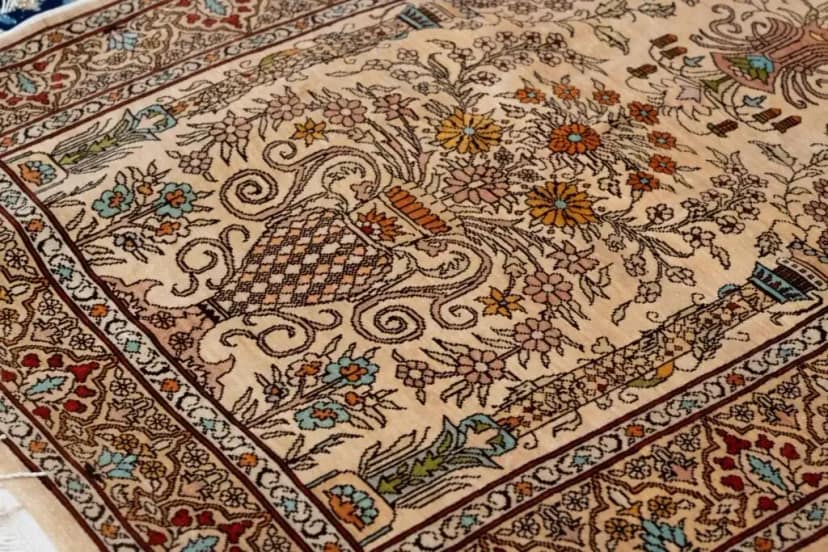
A Hereke szőnyegek egyedülálló kézműves hagyománya
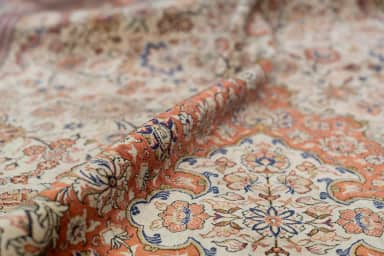
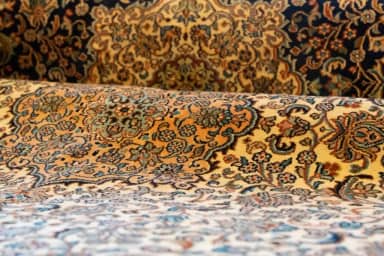
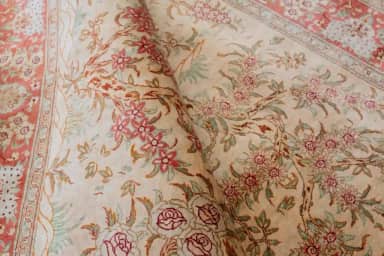
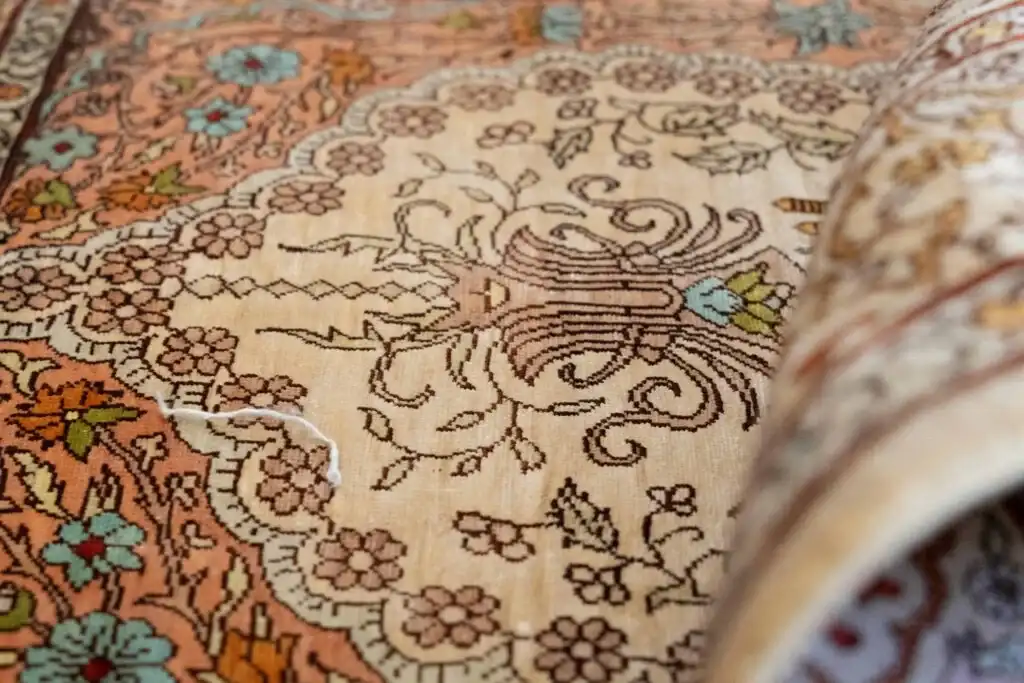
A herekei szőnyegeket a szimmetrikus (török/kettős) csomózás jellemzi, ahol a láncfonal és a vetülékfonal is selyemből készül. Sok minta perzsa hatásokat tükröz, bonyolult, ívelt és virágos motívumokat használva, amelyek más török szőnyegszövő régiókban ritkák. A kisebb darabok gyakran imaszőnyeg (mihráb) mintát mutatnak, míg a nagyobbakon arabeszkek, felhősávok, indák és virágmotívumok jelenhetnek meg, központi medálos elrendezéssel vagy anélkül. A legtöbb herekei szőnyeg csomósűrűsége 800 000 és 1 200 000 csomó között mozog négyzetméterenként, de ritka darabok akár 1,5 millió csomót is elérhetnek. Néhány kivételes példány aranyfonalat is tartalmaz, amelyet vetülékcsomagoló technikával szőnek be, létrehozva egy domború, háromdimenziós hatást, ami kiemeli a mintát.
Hogyan ismerhető fel egy eredeti Hereke szőnyeg?
Az eredeti herekei szőnyegek gyakran viselik a „Hereke” nevet a szegély kartusában, arab írással beleszőve, ez szolgál eredetiség- és mesterségbeli jelzésként.
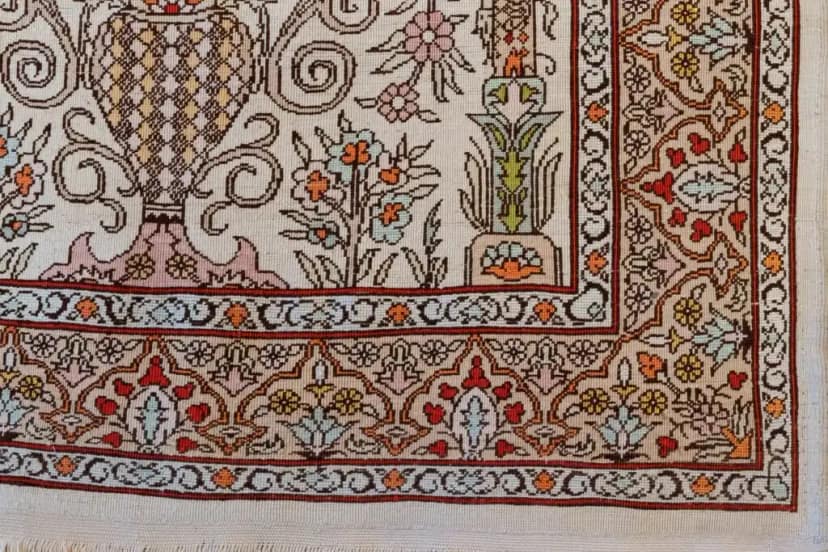
Az Özipek műhely A Hereke egyik legrangosabb szőnyegkészítője, az Özipek műhely, a 20. század közepén kezdte meg működését. Különösen híres volt bonyolult, eredeti mintáiról, például az Élet fájáról, medálmintákról és tükörszerű motívumokról – egyes darabokat még perzsa írással is aláírtak a kulturális hatások előtti tisztelet jeleként. Fényes csillogásukkal, precíz kettős csomóikkal és gyakran aszimmetrikus vagy képszerű elrendezésükkel az Özipek herekei szőnyegek nem csupán dekorációs tárgyak, hanem gyűjthető műalkotások is, amelyeket gyakran falra akasztanak vagy családi örökségként őriznek meg. Ritkaságuk, történelmi jelentőségük és finom kidolgozásuk miatt a világ minden táján keresettek a gyűjtők és szakértők körében.